The manufacturing of heat transfer film involves a series of precise and controlled processes to ensure high‑quality graphics and reliable performance for decorative applications.
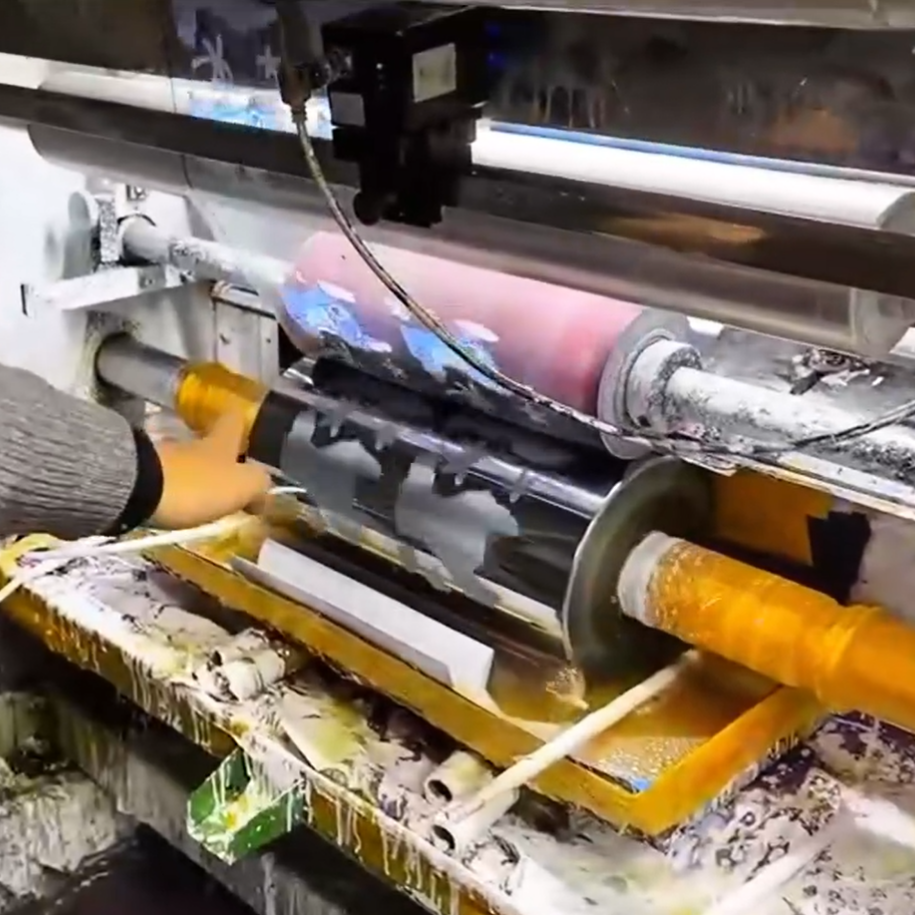
1. Cylinder Making (Gravure Plate Engraving)
The process begins with engraving a gravure printing cylinder. The customer's custom design is laser‑etched onto a copper or chrome‑plated steel cylinder. The cylinder surface is engraved with microscopic cells that hold ink, corresponding to the exact pattern and colors of the design. This master cylinder ensures high‑volume, repeatable printing with sharp detail and accurate color reproduction.
2. Printing (Gravure Printing)
The engraved cylinder is mounted on a gravure printing press. The cylinder rotates through an ink bath, filling the engraved cells with ink, while a doctor blade removes excess ink from the smooth surface. The cylinder then presses the ink onto the PET film substrate, building the design layer by layer through multiple color stations. This achieves high‑resolution, vivid graphics with excellent color saturation and fine detail.
3. Drying (Curing)
After each ink layer is applied, the printed film passes through a heated drying tunnel. Hot air evaporates the solvents from the ink, curing it firmly onto the film surface. Complete drying is essential to prevent smudging, ink transfer, or blocking during subsequent handling. The temperature and speed are precisely controlled to ensure uniform curing without distorting the PET film.
4. Slitting (Cutting to Width)
Once the master roll is fully dried, it is transferred to a slitting machine. The large roll is cut into narrower rolls of specific widths according to customer requirements (e.g., for specific bucket, bottle, or container sizes). Precision slitting ensures clean, straight edges and accurate dimensions for easy loading into heat transfer machines.
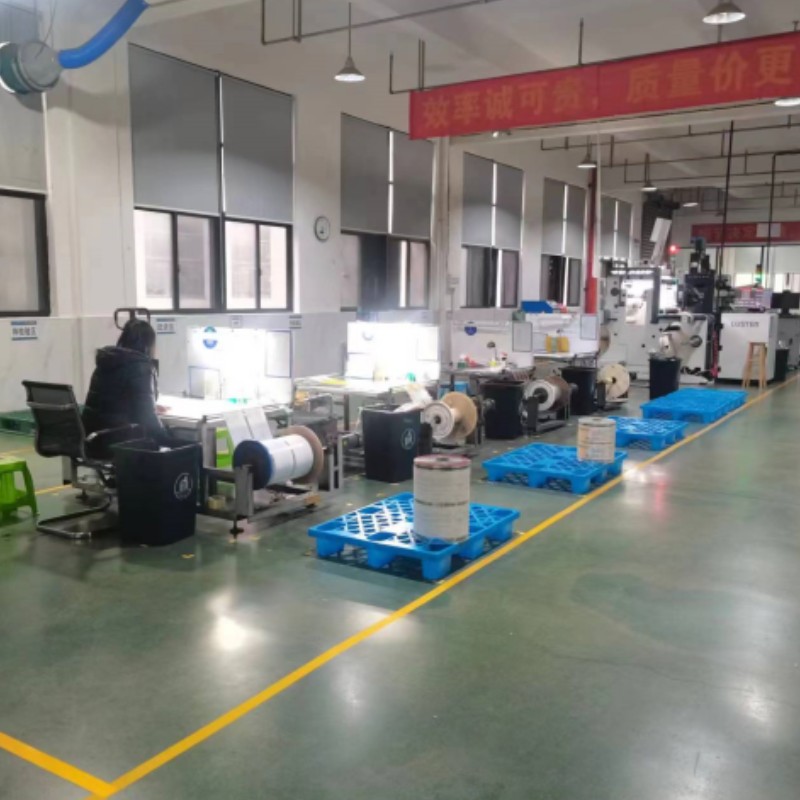
5. Quality Inspection
Each finished roll undergoes a thorough quality inspection. Key checks include:
Color accuracy – compared against the approved color standard.
Print clarity – no blurring, misregistration, or missing elements.
Surface defects – no scratches, bubbles, stains, or contamination.
Dimensional accuracy – width, length, and roll diameter are verified.
Adhesion test – ensures the ink layer is properly cured and will transfer correctly.
Any defective material is rejected or reworked to maintain consistent quality standards.
6. Packaging
After passing inspection, the heat transfer film rolls are carefully packaged. Each roll is wrapped in protective film to prevent dust, scratches, and moisture damage during storage and transit. The rolls are then placed into sturdy cartons, with clear labeling indicating product specifications (size, design, batch number, and material type). Desiccants may be added to control humidity inside the packaging.
7. Shipping / Transport
Finally, the packaged cartons are loaded onto pallets, shrink‑wrapped, and dispatched to the customer. All necessary shipping documents – including packing list, commercial invoice, and any required certificates (e.g., MSDS, RoHS) – are prepared to ensure smooth customs clearance and timely delivery.


Post time: Aug-14-2026