1. Seamless Integration Through In‑Mold Fusion
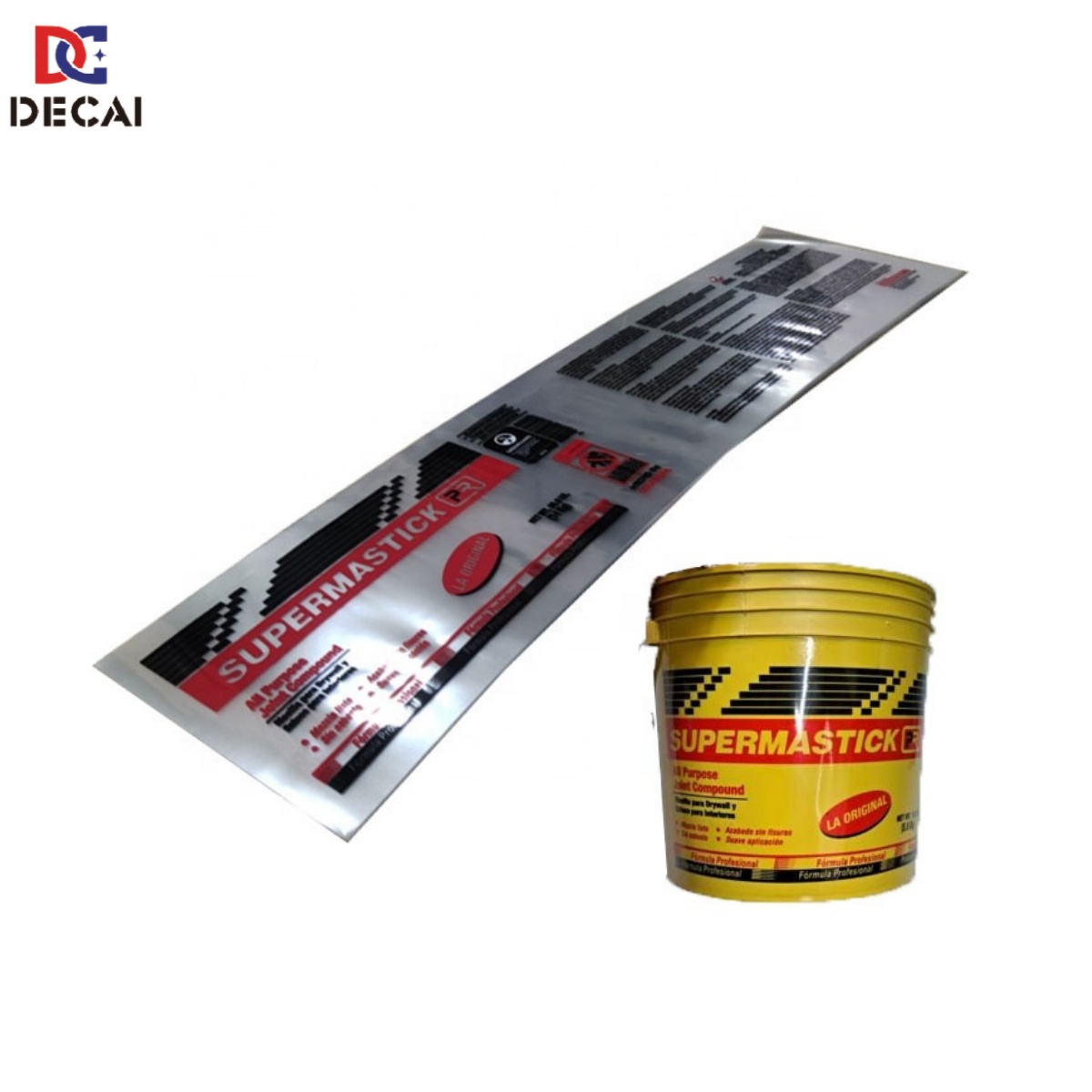
Unlike traditional labels applied after molding, an IML label is placed inside the mold cavity before the molten plastic is injected. During the injection cycle, the heat and pressure cause the label’s polymer layer (usually polypropylene) to melt and fuse directly with the surface of the freshly molded part. This creates a single, inseparable unit – no adhesives, no peeling, and no edge lifting. The result is a permanent bond that withstands chemicals, moisture, and mechanical abrasion, making it perfect for durable goods like paint buckets, household containers, and automotive parts.
2. Enhanced Efficiency and Decorative Quality
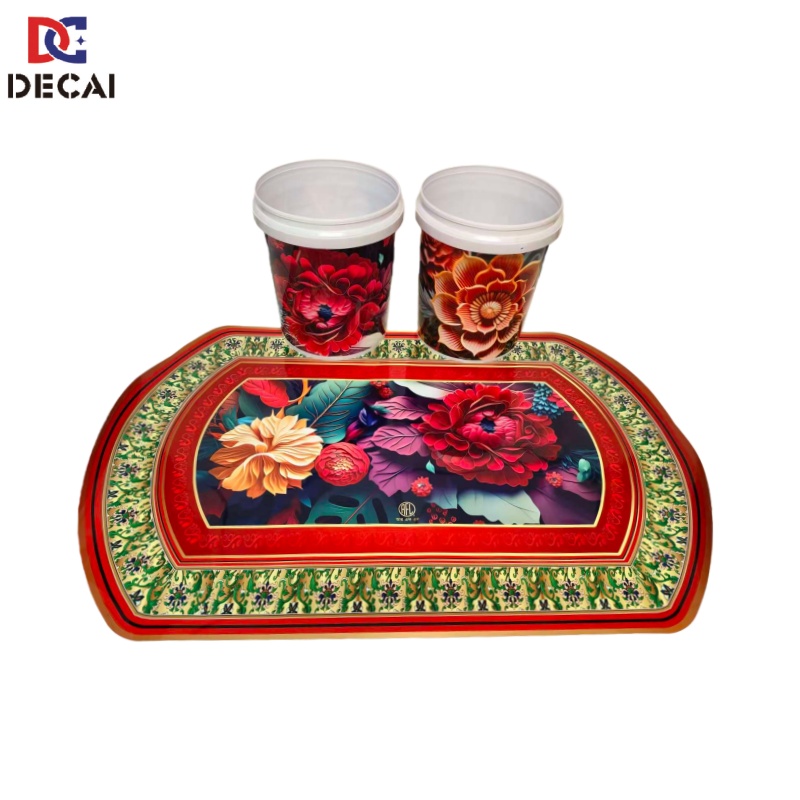
From a production standpoint, IML eliminates post‑molding decorating steps such as printing, drying, or adhesive labeling. The label is applied and bonded during the same injection cycle, reducing labor and handling costs. Moreover, IML labels offer high‑resolution graphics, vibrant colors, and scratch‑resistant surfaces that are molded in – not printed on. This ensures consistent branding and barcode readability even after rough use. For industries requiring high‑volume, fast‑turnaround production, IML significantly boosts output while maintaining premium visual quality.


Post time: May-15-2026