
1) Enhancing IML Label Static Charge to Improve Efficiency
A static charger actively applies a precise electrostatic charge to IML labels. This transforms them from passive items into actively positioned components. The charge enables secure, high-speed robotic pickup and transfer. Most importantly, it firmly "pre-sticks" the label to the grounded mold surface, ensuring perfect registration and stability. This eliminates manual adjustments, prevents placement errors, and allows the molding cycle to run at maximum speed, significantly boosting overall production line efficiency and equipment effectiveness.
2) Reducing Product Failure and Losses from Insufficient Static
Insufficient charge is a major cause of IML defects. A static charger directly prevents costly failures by ensuring labels are electrostatically locked in place. This prevents displacement or "floating" when molten plastic is injected, which causes misalignment and washing. It also eliminates air bubbles by pulling the label flat against the mold for perfect venting. By providing a consistent, controlled charge regardless of environmental factors like humidity, it ensures process stability, drastically reduces scrap rates, and minimizes material and operational losses.
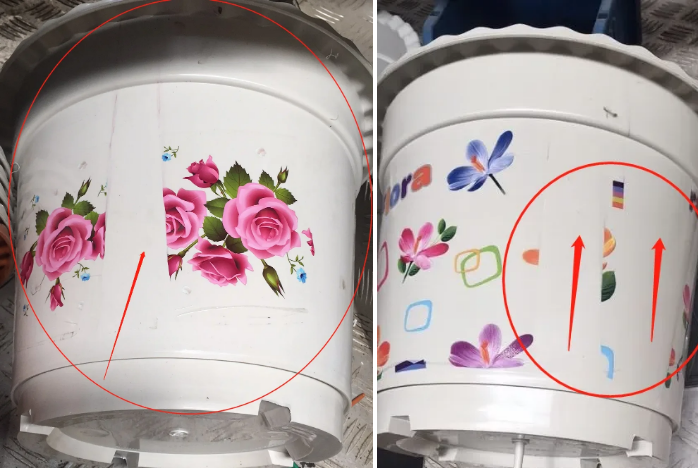

3) Utilizing Previously Unusable Inventory IML Labels
Some label batches have poor innate static due to material formulation, coatings, or storage conditions, making them unreliable in automated systems. An active static charger salvages this inventory. It overrides these weak natural properties by applying a strong, uniform charge on demand. This effectively upgrades their performance, allowing secure handling and perfect mold adhesion. This capability prevents the waste of valuable pre-printed labels, turns potential scrap into usable assets, and supports lean manufacturing by optimizing material utilization and reducing inventory loss.


Post time: Jan-09-2026