1. Physical Form & Handling: Rolls vs. Discrete Pieces
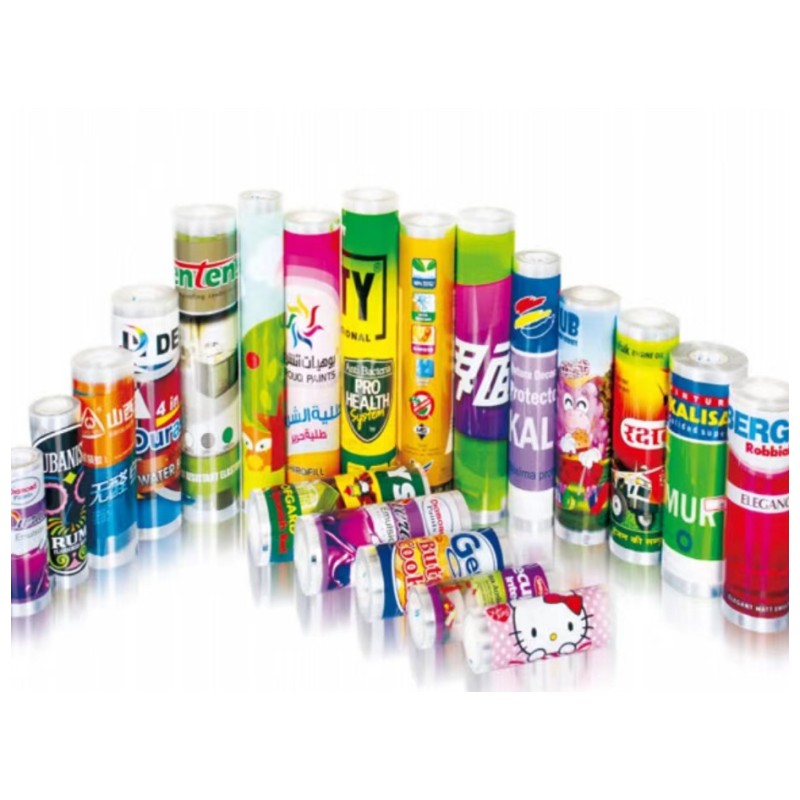
A primary distinction lies in their physical state. Heat Transfer Film is supplied in continuous rolls. This format facilitates automation and is well-suited for high-speed, repetitive application on curved or complex surfaces. In contrast, IML Labels are pre-printed as individual pieces or sheets. They are meticulously fed, often by robots, into specific mold cavities before the injection molding process begins.
2. Application & Decorative Scope: Targeted vs. Full Coverage
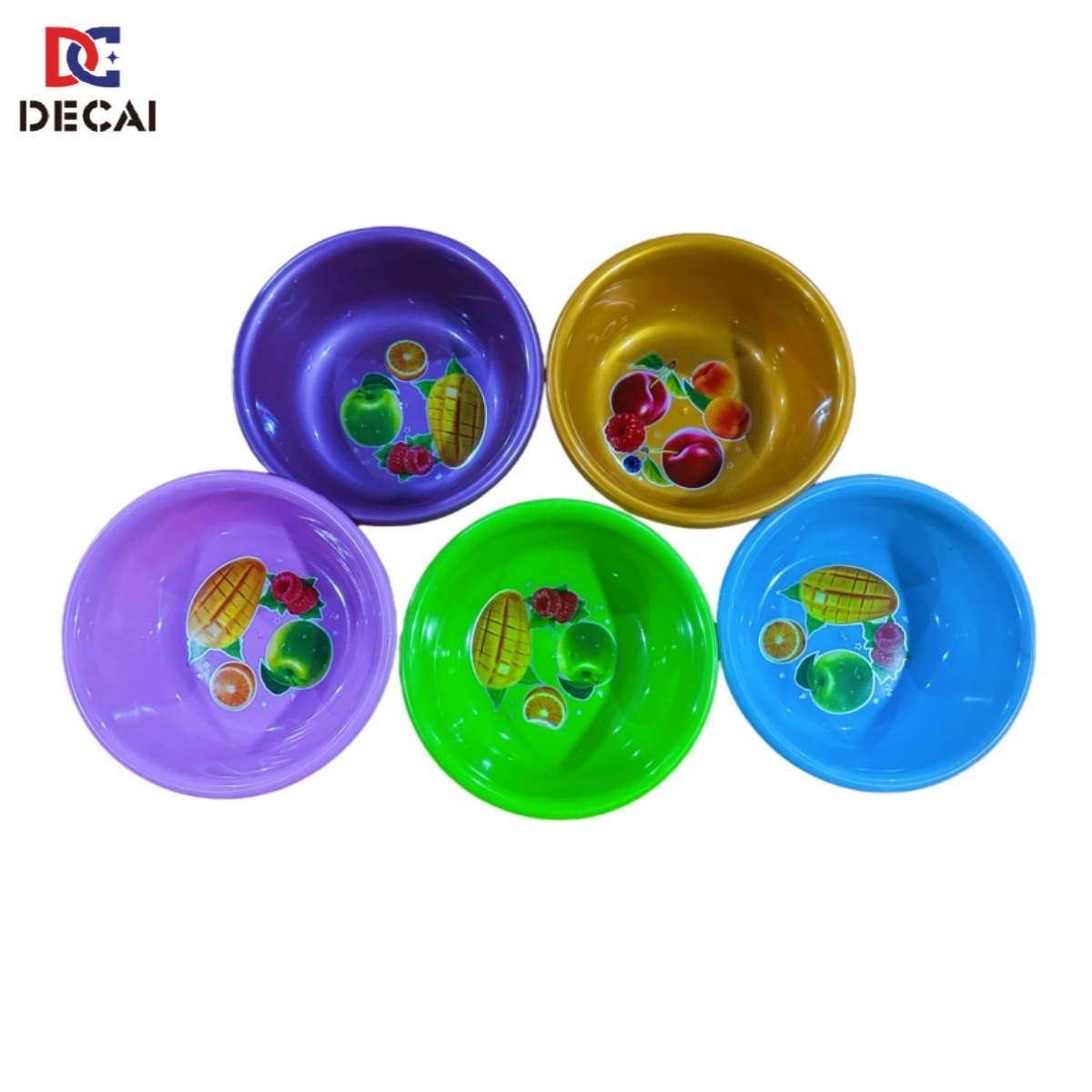
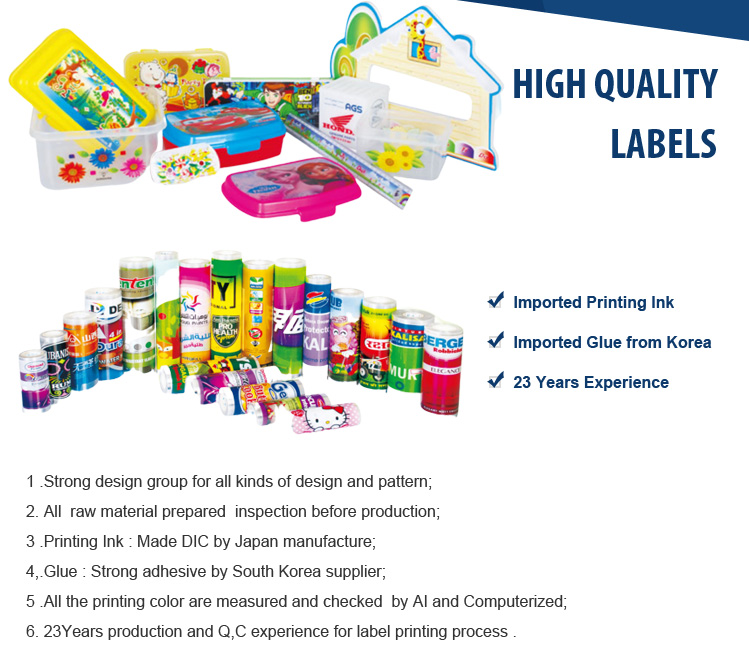
The technologies diverge in their decorative scope.Heat Transfer Film excels at ocalized or partial decoration. It is ideal for applying precise logos, brand names, or specific graphical elements to a finished product, allowing for flexible and economical accent detailing. IML Labels, however, are designed for complete, overall decoration. A single IML label can cover the entire visible surface of a part—front, sides, and even curved areas—in one seamless step, creating a durable, fully wrapped graphic effect.
3. Production Process: Secondary Operation vs. Single-Step Molding
The most fundamental difference is in the integration with manufacturing. Heat Transfer Film application is a secondary, post-molding process. First, the plastic product (like a container or component) is created via injection molding. It is then decorated on a separate heat transfer machine, where heat and pressure transfer the design from the film onto the product surface.
In summary, Heat Transfer Films offer versatile, post-production decoration for targeted areas, while IML Labels provide a robust, one-step solution for complete part decoration directly during molding.


Post time: Jan-15-2026