Choosing between heat transfer film and in-mold labeling (IML) largely depends on your product requirements, design complexity, production volume, and budget. Here are some key considerations for choosing between heat transfer film and IML labels:
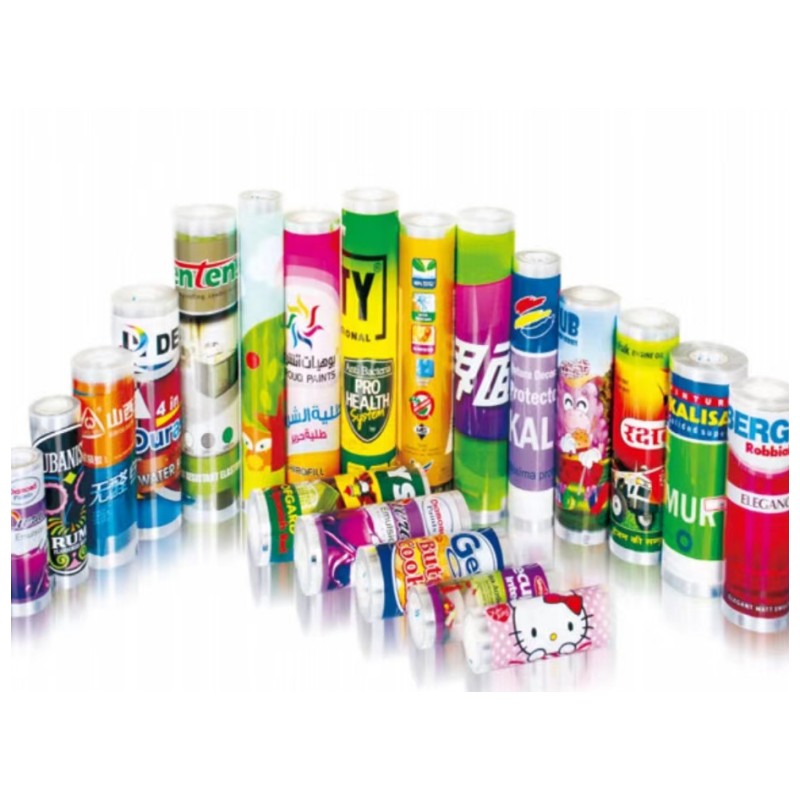
1. Process and Integration: Secondary Processing vs. In-Mold Welding
Heat Transfer Film: This is a secondary processing step after injection molding a plastic product. First, your plastic product is injection molded using an injection molding machine; then, a heat transfer machine is used to print a pre-prepared heat transfer film onto the surface of the plastic product by heating. This is an additional decoration.
In-Mold Labeling (IML): This is an integrated, one-step molding process. A pre-printed IML label is placed inside the injection mold before the injection cycle begins. Then, molten plastic is injected behind the label, and after cooling, the label is permanently fused into the part structure. Decoration and part molding occur simultaneously.
2. Application Scope: Partial Decoration vs. Overall Decoration
Heat Transfer Film: Ideal for partial decoration, such as printing logos, text, or specific design elements on parts of plastic products. It is less suitable for plastic products that require full decoration.
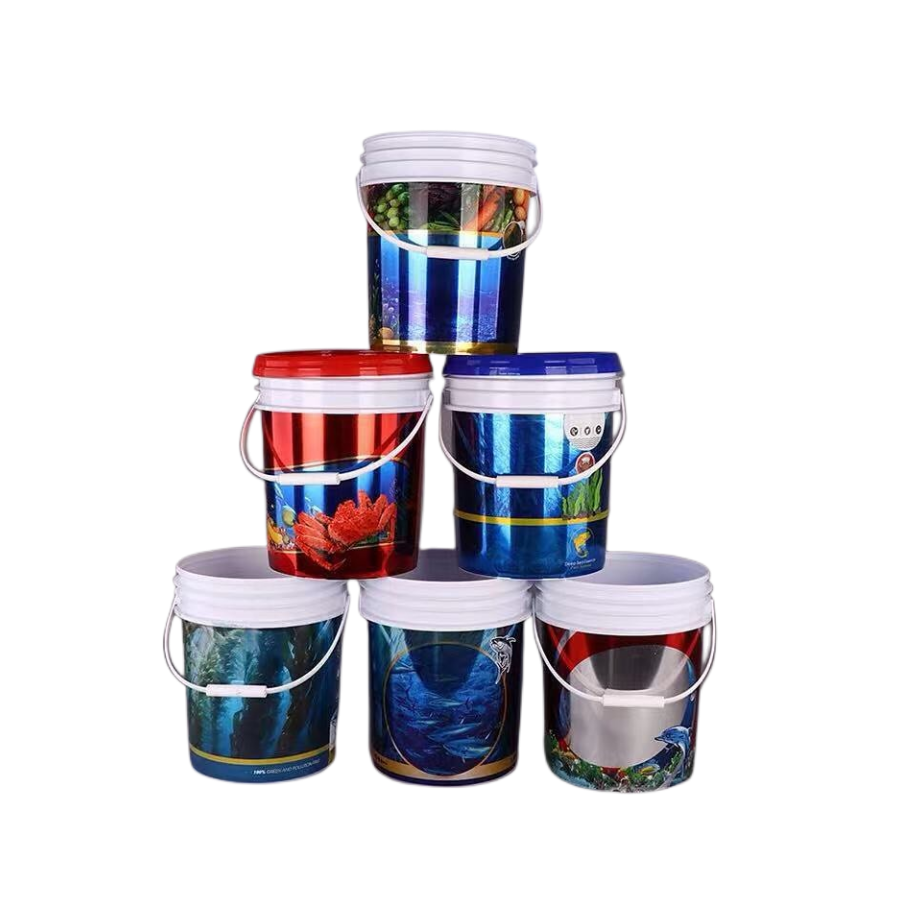
IML Labels: Ideal for full-surface decoration of visible surfaces on plastic products. It can decorate the entire surface of a plastic product through injection molding.
3. Durability and Structure: Ink Protection
Heat Transfer Film: After printing with a heat transfer machine, the ink is exposed on the surface of the plastic product. While durable, it is directly exposed to abrasion, chemicals, and UV rays, making it more prone to wear over time.
IML Labels: The ink surface has a protective layer that remains after injection molding. This complete encapsulation protects the ink from scratches, fading, and chemical contact, resulting in superior durability and a consistently high-quality feel.
4. Equipment and Cost
Heat Transfer Film: Heat transfer film itself is less expensive than IML labels, but requires a heat transfer machine and operator intervention for secondary processing. The cost per unit can be higher due to the additional labor and machine time required.
IML Labels: Higher initial investment in precision molds and IML label injection molding systems. Due to its automation, single-step process, and lower unit cost after mass production, it offers significant cost-effectiveness for high-volume production.
If you require localized finishing on complex-shaped parts, have low production volumes or limited mold budgets, and do not have high requirements for final durability, choose heat transfer film.
If you require full-surface, high-end finishing with superior scratch and chemical resistance, very high production volumes, and can justify the higher initial investment for a more durable, integrated, and cost-effective large-scale solution, then choose IML labels.


Post time: Dec-19-2025