In the plastics decoration industry, manufacturers often face a key decision: should they use heat transfer film or in-mold labeling (IML)? Both methods can produce vibrant, durable graphics, but they differ significantly in process, investment, and application. Below is a clear comparison to help buyers and production managers make the right choice.
1. Printing Coverage: Local vs. Full Surface
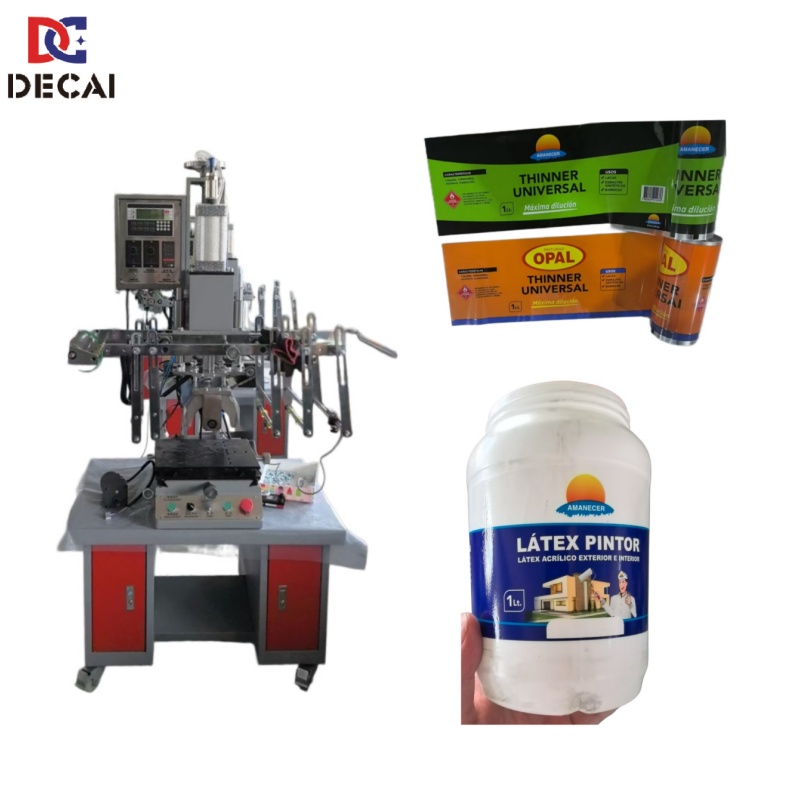
Heat transfer film is typically used for local printing. It can decorate a specific area of a plastic product, such as a logo, pattern, or text, without covering the entire surface.
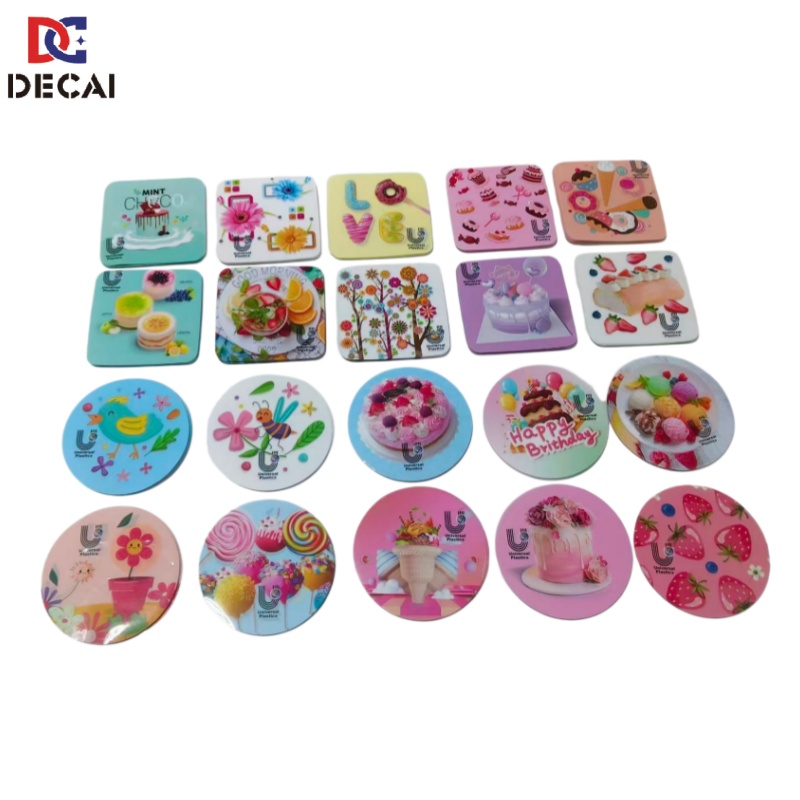
IML labels are designed for full-surface decoration. The label is placed inside the mold cavity and becomes an integrated part of the product, allowing complete coverage, including curved or complex shapes.
2. Production Process: Secondary Printing vs. One-Step Molding
Heat transfer film requires a secondary printing process. The plastic product is first injection molded, then transferred to a heat transfer machine where the design is applied under heat and pressure.
IML labels use a one-step, integrated molding process. The label is placed into the mold cavity before injection. During molding, the molten plastic fuses with the label, permanently bonding it to the product surface.
3. Equipment Investment: Lower vs. Higher
Heat transfer film requires a lower initial investment. The main equipment is a heat transfer machine, which is generally less expensive and easier to set up.
IML labels require an injection molding machine and a label placement system (manual or robotic). This means a higher initial investment, but it also enables high-volume, automated production.
4. Durability and Appearance
Heat transfer film produces a durable, scratch-resistant surface decoration, but it remains a surface-applied layer. It may be more susceptible to peeling under extreme conditions.
IML labels become part of the plastic structure itself, creating a seamless, peel-proof, and highly durable decoration. The label cannot be removed without damaging the product, making it ideal for long-life packaging.
How to Choose
Choose heat transfer film if you need local decoration, lower initial investment, flexible design changes, or decoration on already-molded products.
Choose IML labels if you need full-surface, permanent, and highly durable decoration, high-volume production, and better recyclability.


Post time: Oct-10-2026