Heat transfer film is widely used for decorating plastic items such as paint buckets, cups, containers, and various household products. It is especially valuable for printing on plastic surfaces that are difficult to decorate using conventional methods like screen printing or pad printing, particularly when multi‑color, high‑resolution effects are required.
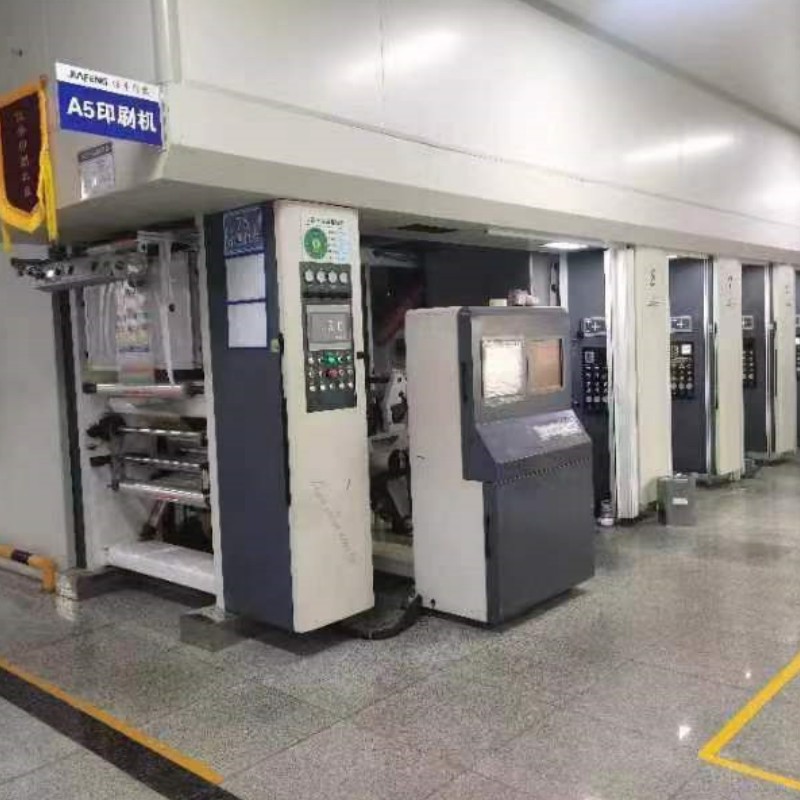
1. Cylinder Engraving (Gravure Plate Making)
The process begins with the customer's custom design. A high‑precision printing cylinder—typically made of copper or chrome‑plated metal—is laser‑engraved with the desired pattern. Gravure printing technology is used, which achieves resolution up to 300 dpi and produces patterns with rich layers, vivid colors, minimal color deviation, and excellent reproduction accuracy.
2. Gravure Printing on PET Film
The engraved cylinder is installed on a gravure printing press. The cylinder rotates through an ink reservoir, picking up ink in its engraved cells, while a doctor blade removes excess ink, leaving ink only in the engraved pattern areas.
The cylinder then presses against the PET (polyethylene terephthalate) film, transferring the ink in the desired pattern. Heat transfer films typically consist of multiple layers, including a protective layer, release layer, pattern layer, base color layer, and hot‑melt adhesive layer.
3. Drying (Curing)
After each ink layer is applied, the printed film passes through a high‑temperature drying tunnel where heated air evaporates solvents, ensuring the ink sets properly and achieves color fastness.
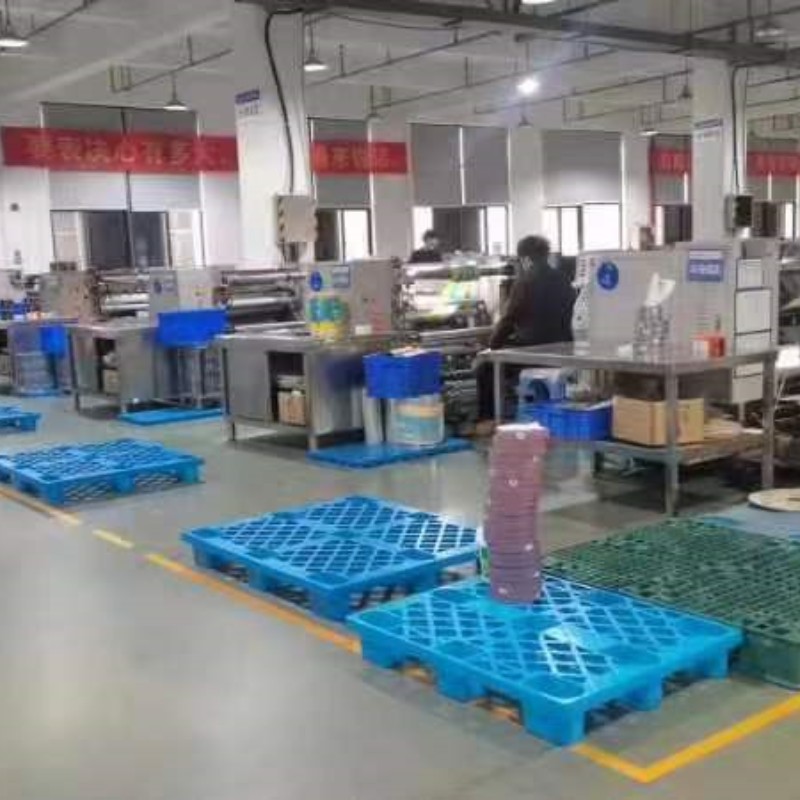
4. Slitting and Packaging
The dried film is then cut into specific widths using slitting machines to meet customer roll size requirements. Each roll undergoes quality inspection for color accuracy, adhesion, and defects before being packaged for shipment.


Post time: Jul-09-2026